Through building real-world connections with those nearby, Sarah Friar started Nextdoor with one purpose: to cultivate a kinder world where everyone has a neighborhood to rely on. “We help and encourage people to take online conversations offline and into the real world.”

Tell us, Sarah, what is your story?
Grew up in rural Northern Ireland:
The best way to get a flavor of the Troubles is to read about it. I would highly recommend Say Nothing: A True Story of Murder and Memory in Northern Ireland by Patrick Radden Keefe. Despite the Troubles, my village had a huge sense of community, and my parents were right in the thick of it. My mum was the local district nurse, and my dad was the personnel manager of the local mill. They were always helping neighbors.
Studied engineering at Oxford:
I loved the science, as well as the combination and breadth of my degree in Metallurgy, Economics, and Management.
Cool fact: I interned at a gold mine in Obuasi, Ghana.
Joined McKinsey, then completed an MBA at Stanford, followed by more than a decade at Goldman Sachs.
I did not pursue engineering because I did not feel it was a career where I could truly belong. The field was very male-dominated. At McKinsey, I worked in South Africa right after apartheid ended, and it was there that I truly experienced how communities heal and rebuild.
Finally moved into an operating role and into tech, going from Goldman Sachs to Salesforce and then to Square
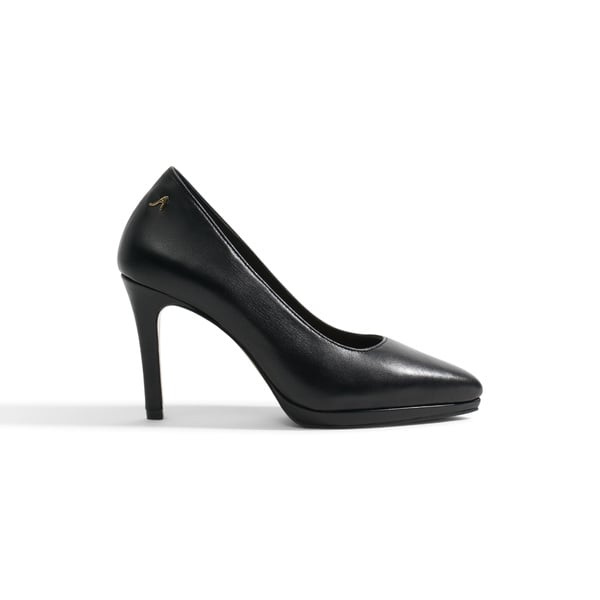
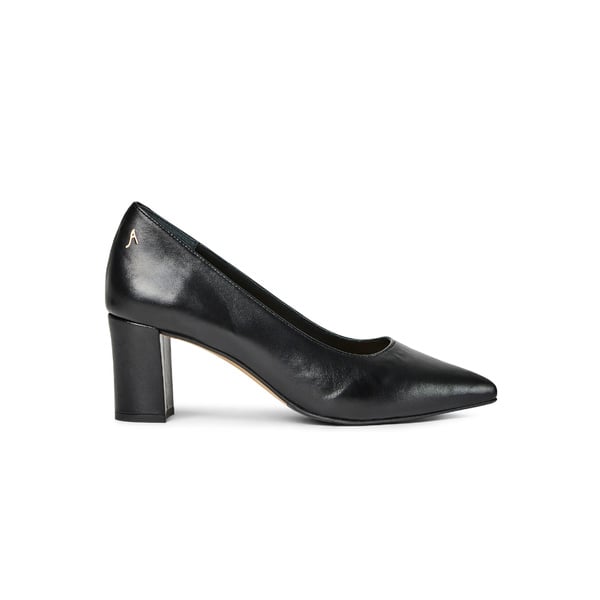
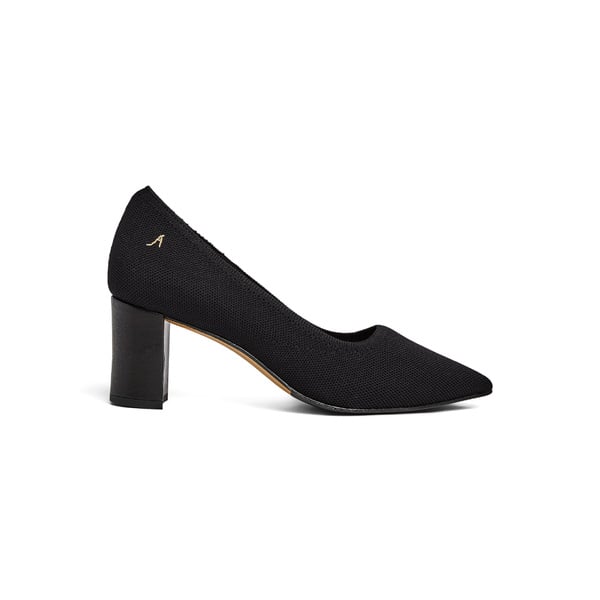
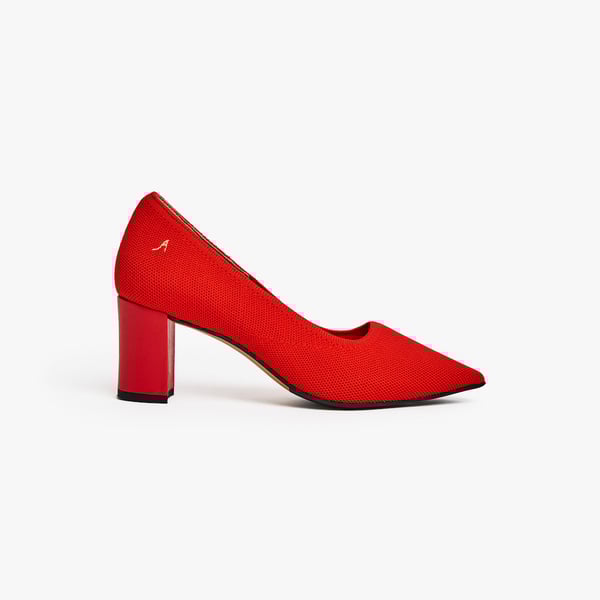
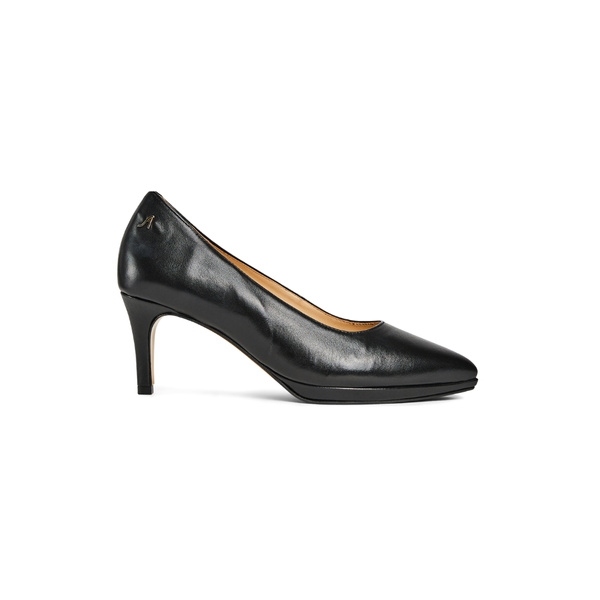
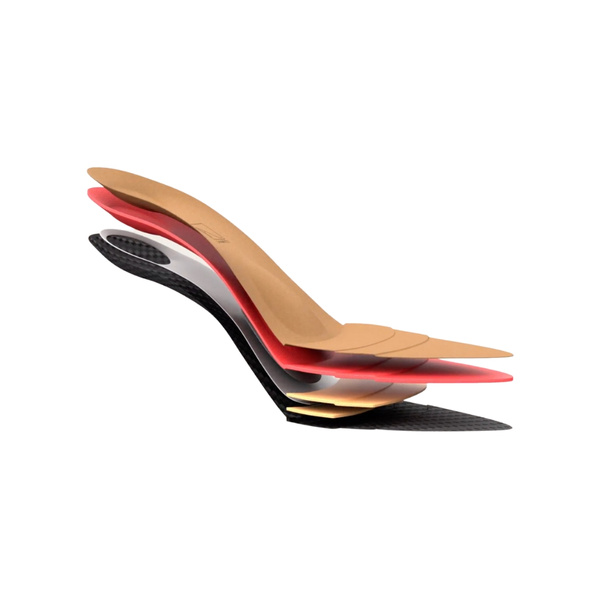
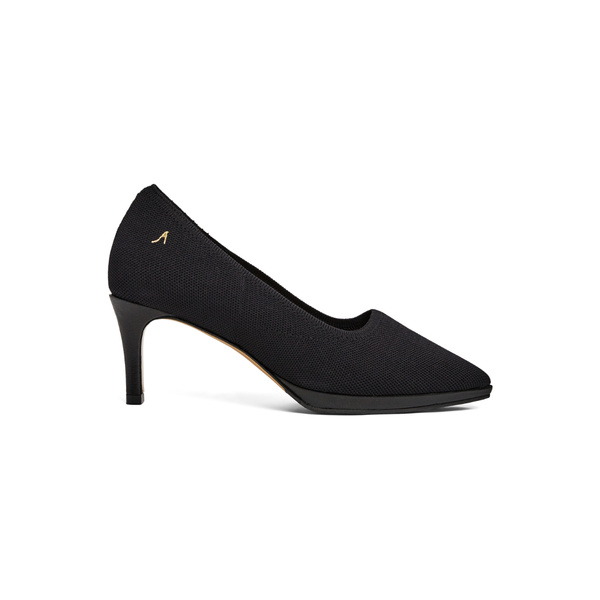
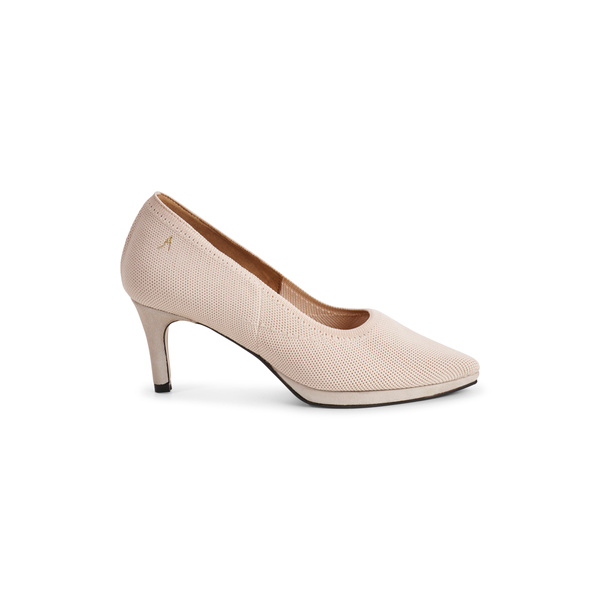
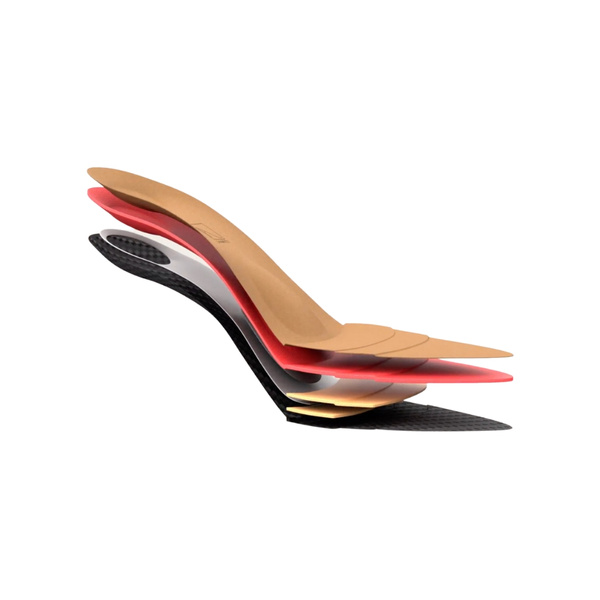
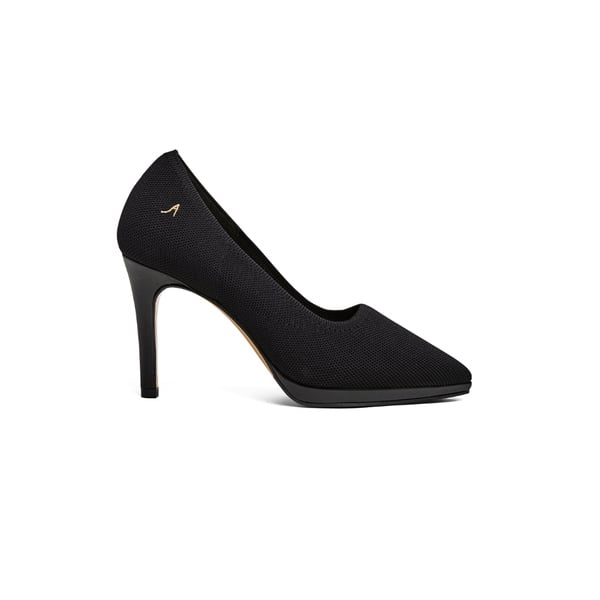
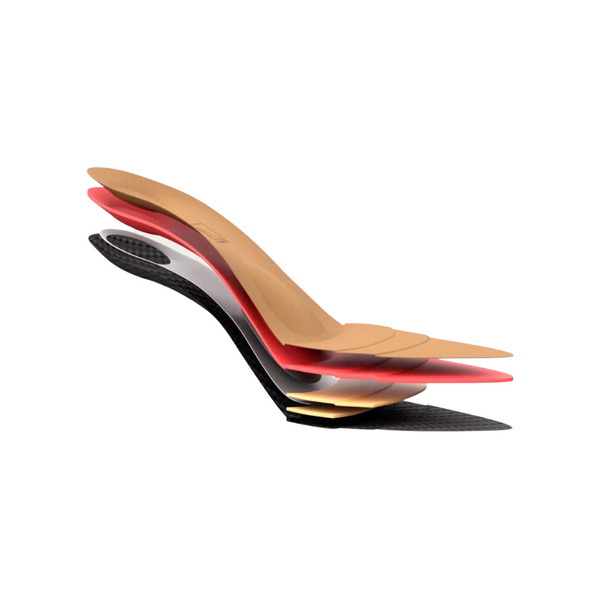
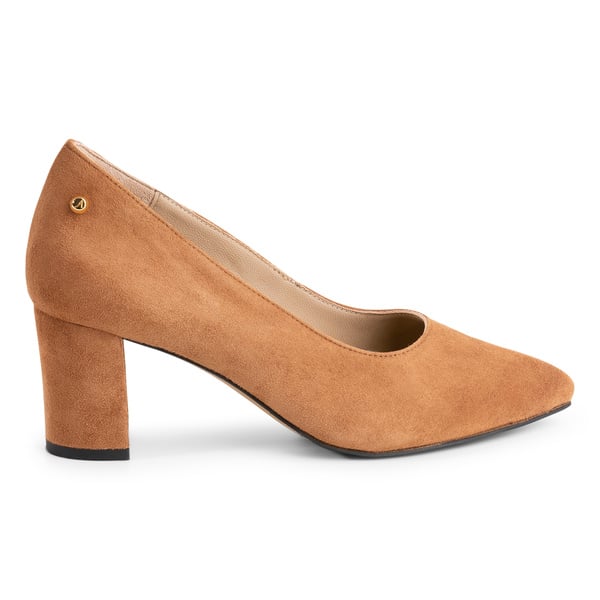
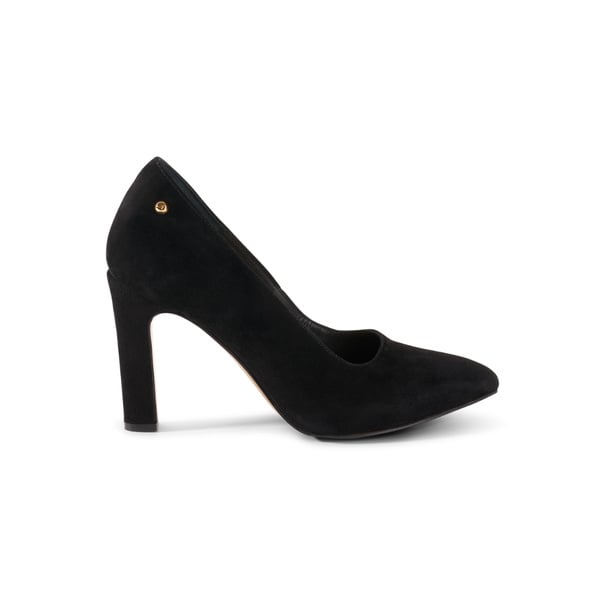
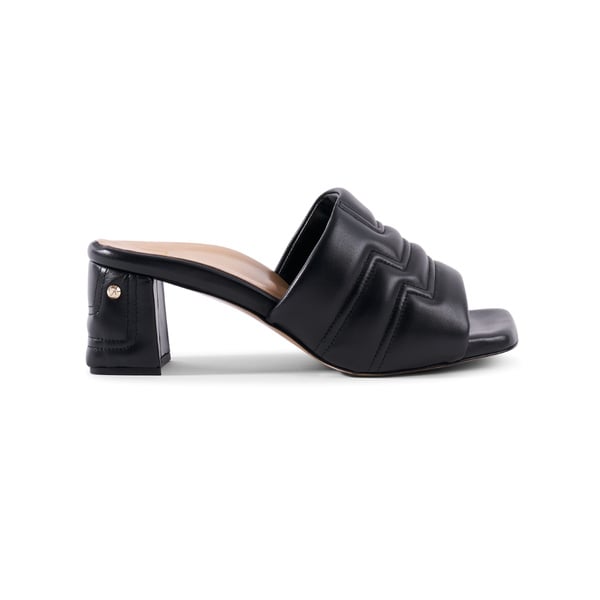
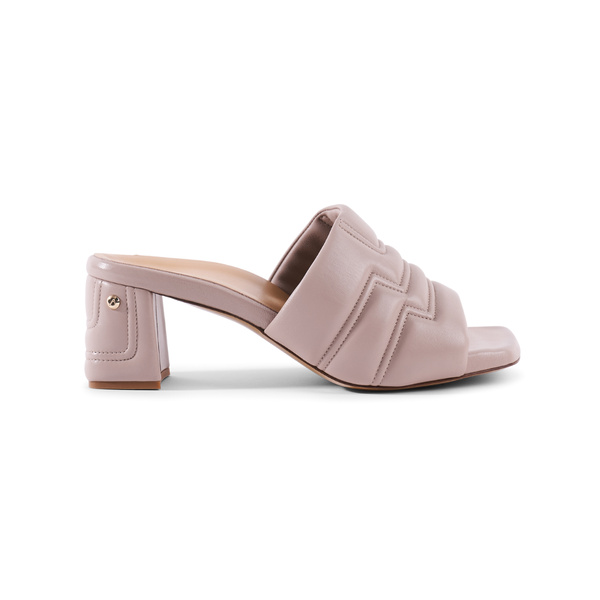
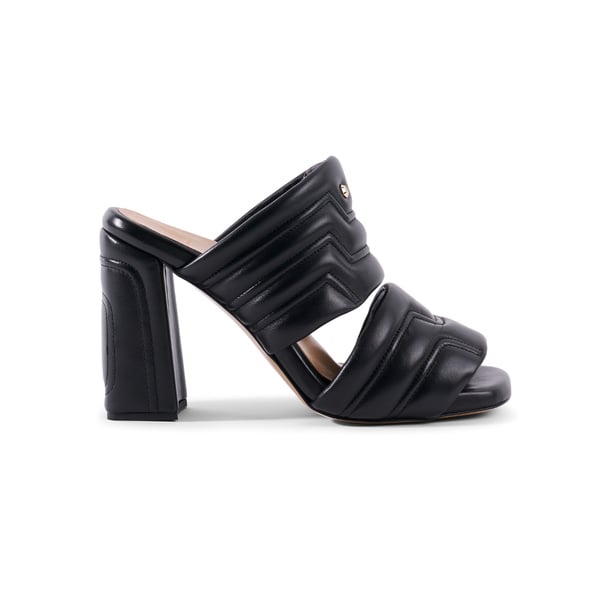
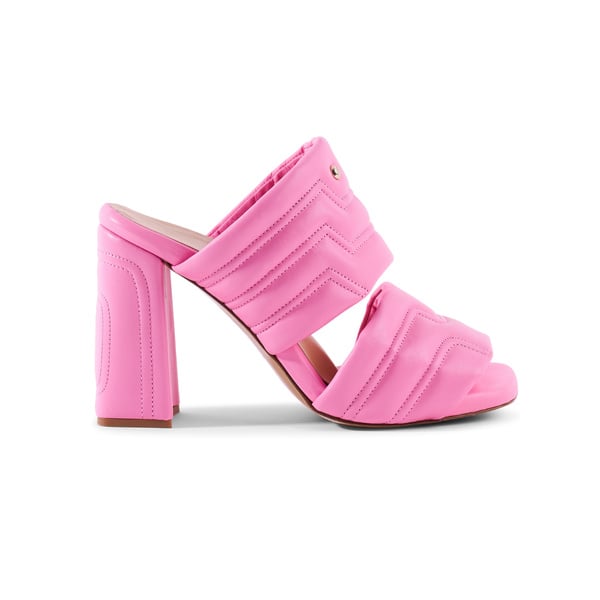
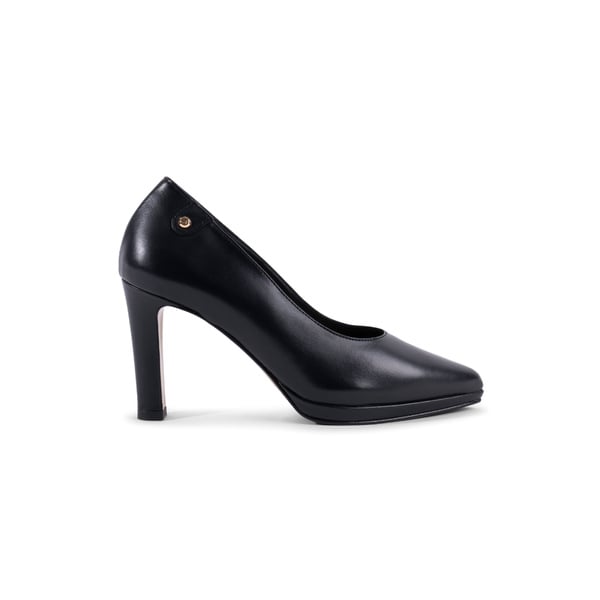
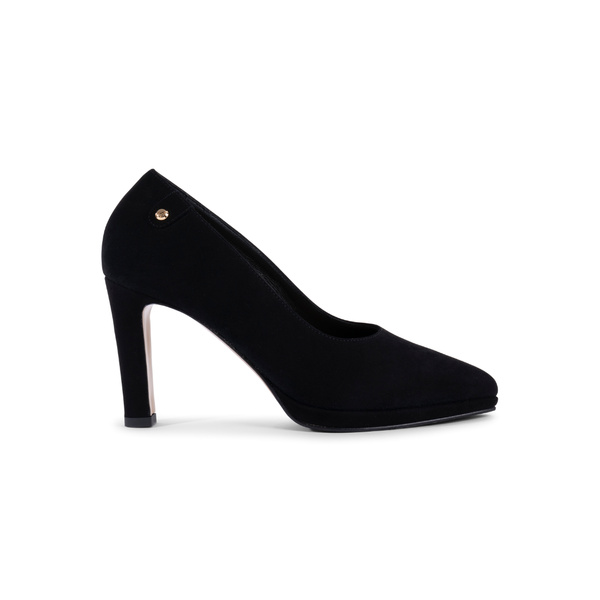
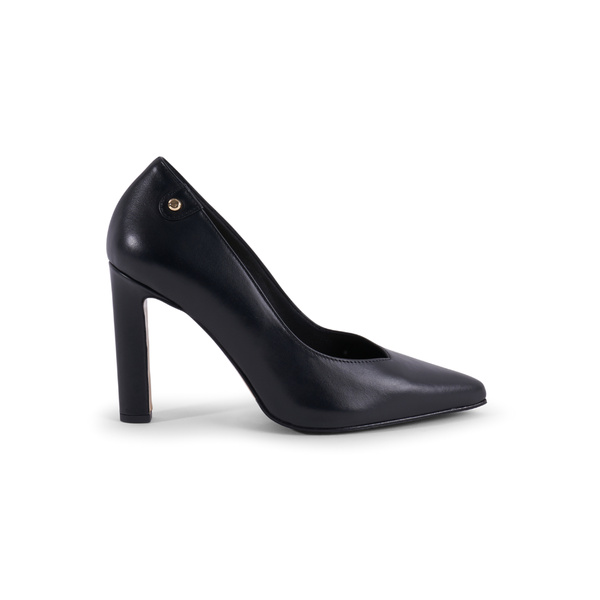
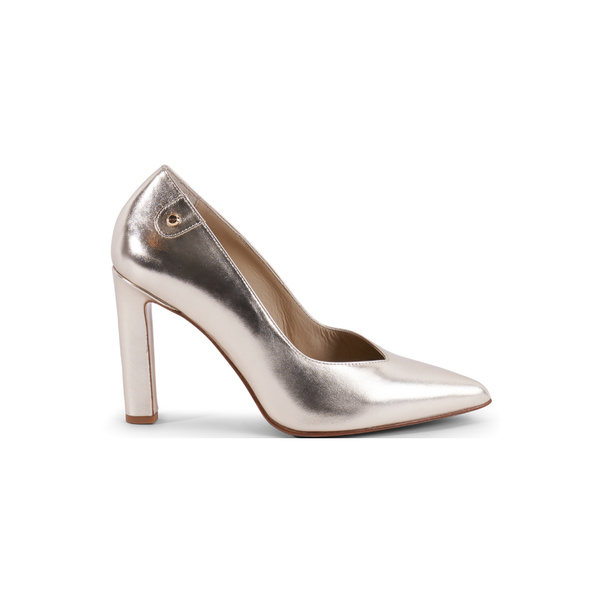
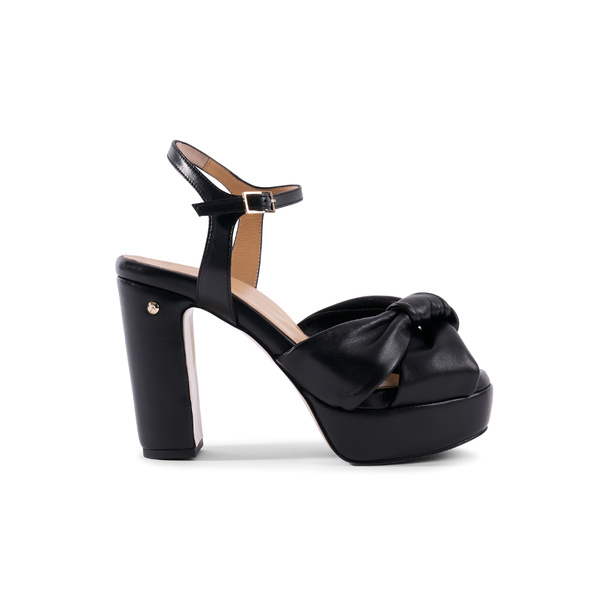
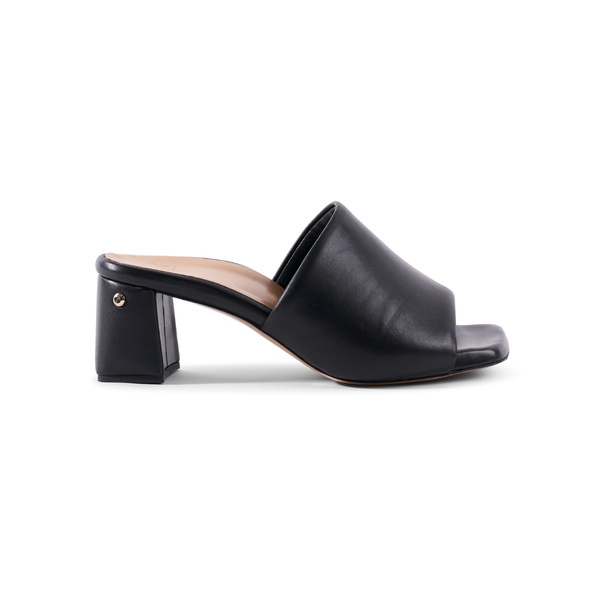
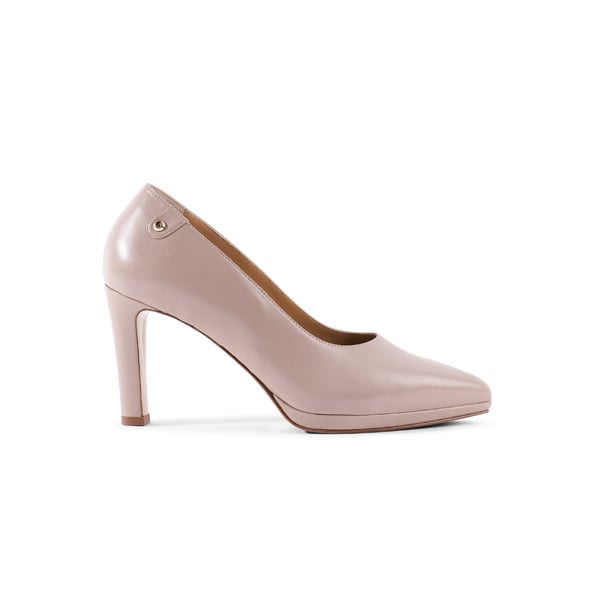
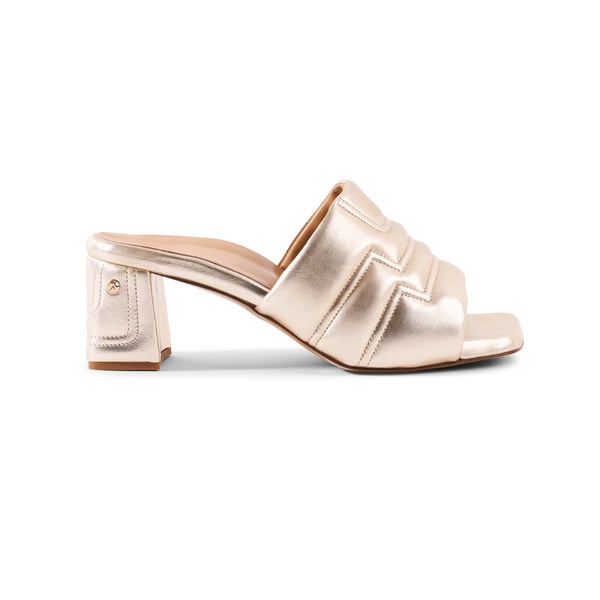
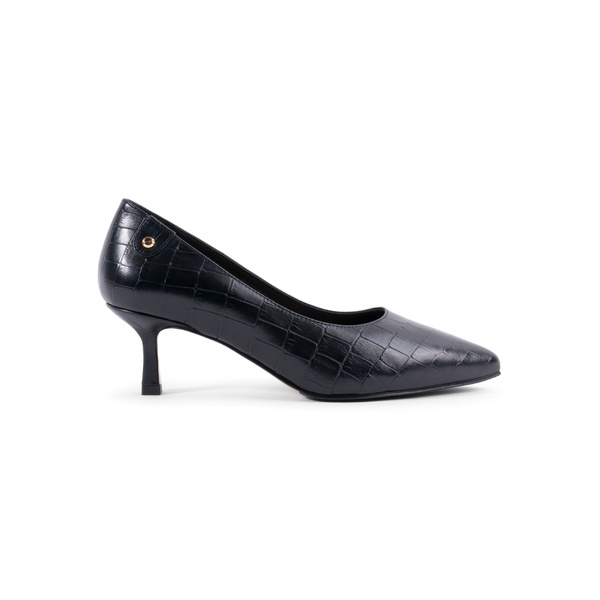
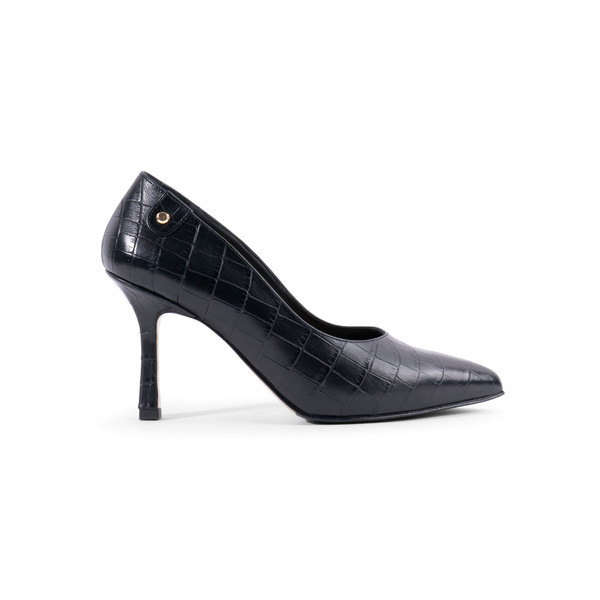
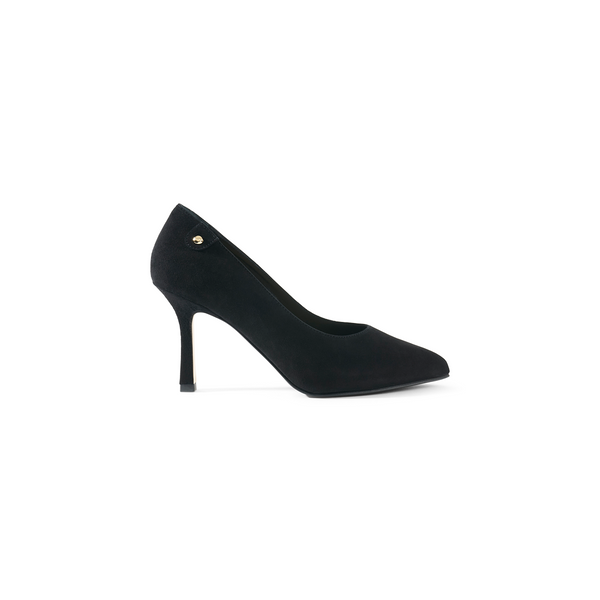
The 2008 recession made me re-evaluate my life choices. It may sound cliché, but I needed to find my purpose. At Square, I became passionate about small businesses, but I also began asking myself whether I could do more for them, and how. Ladies Who Launch, the non-profit I co-founded, was born from that idea. That is also how I met and fell in love with STINAA.J shoes when we held our event in Stockholm.
Leaving Square and joining Nextdoor
The appeal of Nextdoor spoke to my desire to do good and create impact through community, while also recognizing that women do not often see women CEOs. I realized I could be a role model.
First steps and messages when joining Nextdoor
People came first. I built the team, starting with hiring a Head of People, and focused on listening before making decisions. It feels like I have finally found the place where my passions, my strengths, and what the world needs all overlap.
Your company Nextdoor is all about connecting neighbors. Please share your vision with us!
NEXTDOOR IS LEADING THE NEIGHBORHOOD RESURGENCE
We begin with our purpose: to cultivate a kinder world where everyone has a neighborhood to rely on. How do we make this happen? By building real-world connections with those nearby, including neighbors, local businesses, and public agencies. This means real people and no anonymity. We help and encourage people to take online conversations offline and into the real world.
Whether it is a recent college graduate moving to a new city, a mum looking to connect with a local mums’ group, or an empty nester hoping to meet new friends, Nextdoor exists to strengthen local communities. Beyond community building, we are also a highly useful platform, a trusted place to find local information, discover the best plumber or neighborhood coffee spot, and give or receive help from fellow neighbors.
A great example of this is Emma-Jayne, founder of United Neighbors in the UK: Emma-Jayne used Nextdoor during the pandemic to ask whether anyone nearby needed a home-cooked meal. Shortly after her first post, two neighbors reached out to accept the offer, while several others contacted her wanting to help. Together, they formed United Neighbours, delivering 150 home-cooked meals each week, along with handwritten notes reminding people that they could always call if they were feeling lonely. More info here!
Mental stress and inactivity are growing problems all over the world. How do you find time to take care of your body and mind?
Personally, I want to be the best corporate athlete I can be. Just as I approach a physical challenge, such as climbing mountains like Kilimanjaro or Cotopaxi, I apply a similar discipline to my work life. If you want to stay in good physical shape, you have to exercise regularly, every week and multiple times a week. You also have to be disciplined about what you eat, the small decisions you make throughout the day, and how you sleep.
Even though I was born an eternal optimist, I know I still carry stress, sometimes significant stress. Just as an athlete might adjust their diet or shift from purely aerobic exercise to strength training, I try to strengthen my mental health by committing to practices that work for me and continuously refining them over time.
My routines start early in the morning and combine both physical and mental practices. I know that if I open my inbox before getting the endorphins from a good workout, I am not my best self. Smaller things affect me more, and larger challenges can feel more overwhelming. So my morning workout is the first step in managing daily stress. Most days, I also finish with a short five-minute meditation, a practice I picked up from Jack Dorsey and have really come to appreciate.
By the way, not even I am excited when my alarm goes off, but discipline is what allows me to maintain my energy and pace at work. This routine works for me, but for others, late nights may be the better answer. Everyone has a different rhythm.
At the end of the day, I try not to let television become my way of winding down. I love to read and set myself an annual goal of reading 52 books. Last year, I reached 35. How do I manage to read that much? It is simply what I do during the last 30 to 45 minutes before going to sleep. That routing helps create separation from work, reduces screen time before bed, and improves my sleep quality.
Finally, there is one more habit I adopted during COVID. I have about an hour-long commute to the office, and during the pandemic, that suddenly disappeared. But I realized that leaving “work” and arriving at “home” within less than a minute was not a healthy transition into being a mum and a wife. One day, my husband jokingly responded, “I don’t work for you!” and I realized I needed a better transition between those parts of my life.
That led to a new kind of commute: a 30 to 45-minute walk around the neighborhood. I understand that not everyone can make that work, and I especially recognize how difficult evenings can be for parents with younger children. The hours between 5 and 7 p.m. can feel nonstop: food, baths, bedtime stories, bed, get up, bed again, and eventually everyone falls asleep.
But finding even a small amount of time to step away and reset can make a huge difference. In the long run, it often helps you work faster, better, and with more energy.
We happen to know that you own a pair of STINAA.J shoes. Tell us about your best STINAA.J moment or anecdote!
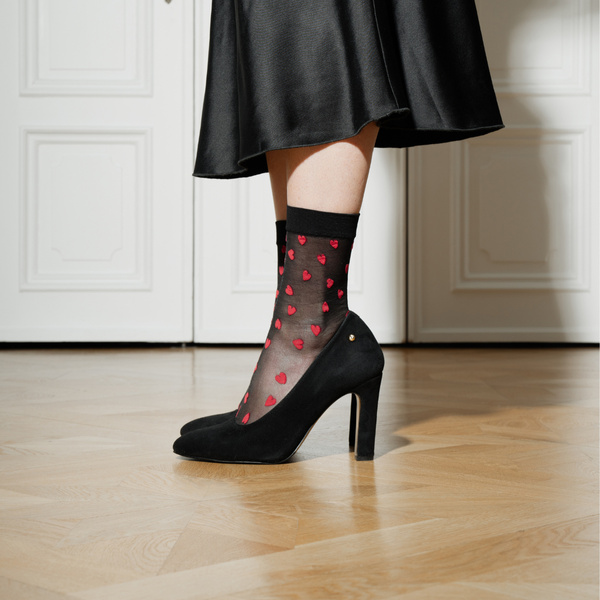
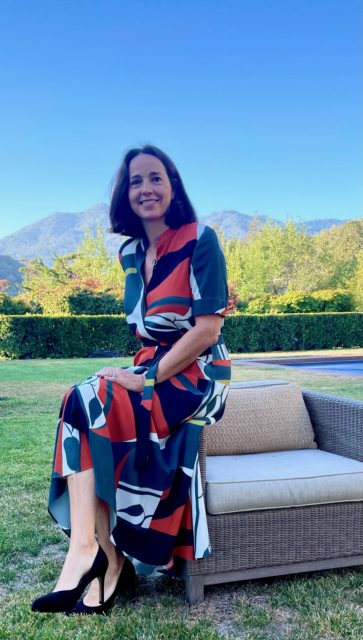
Honestly, it was probably the moment I bought them. I walked out of the store wearing them and kept them on the entire journey from Stockholm to San Francisco, receiving plenty of admiring looks and compliments along the way.

Finally, heels or sneakers?
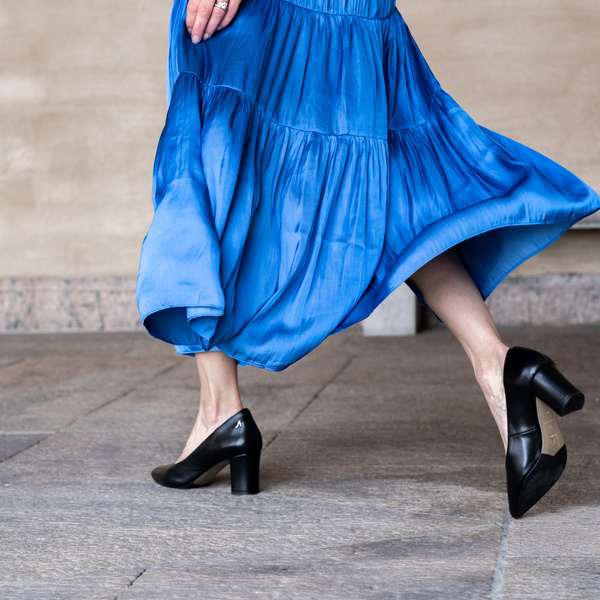
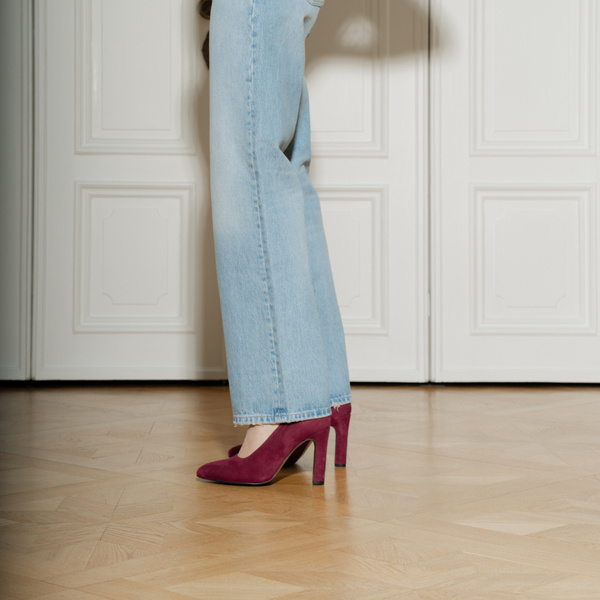
For me, it is definitely heels. They are my weakness. Even during the pandemic, when I was working from home, I would still put on heels before an important meeting if I really needed to bring my best energy.
People often suggest walking somewhere and then look at my shoes and say, “Oh, but you’re wearing heels,” to which I respond, “There’s nothing I can’t do in a pair of heels!”
One of my favorite quotes is: “Ginger Rogers did everything Fred Astaire did, except she did it backwards and in high heels.”