Hallux valgus is one of the most common diagnoses we encounter. It affects up to 10% of the population. Here, we explain some ways to prevent and treat hallux valgus.
What is Hallux Valgus and Can It Be Prevented?
Hallux is the Latin name for the big toe, and valgus is also a Latin anatomical term. Valgus means that a joint is angled inward toward an imaginary center line of the body. Hallux valgus is therefore best translated as a deviated big toe.
Symptoms of Hallux Valgus and Underlying Causes
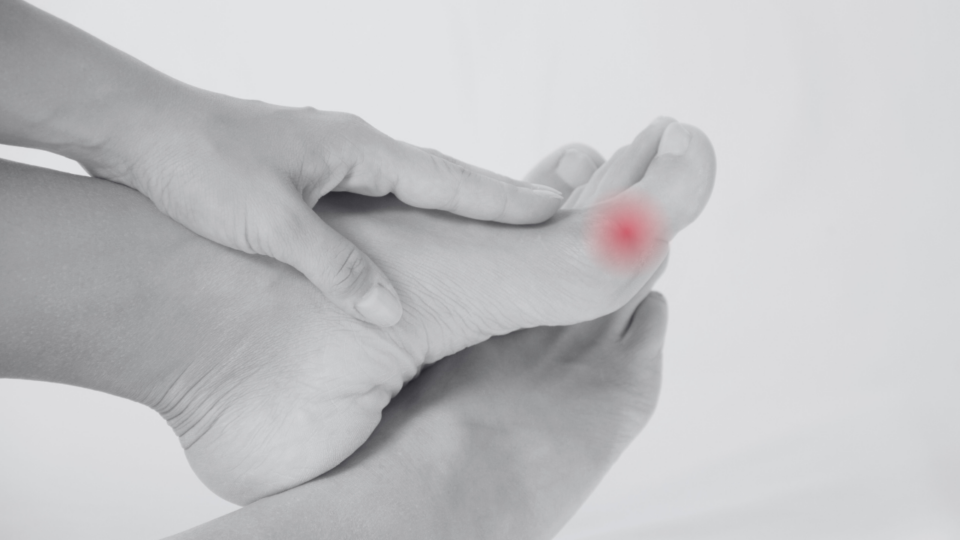
When the big toe turns inward toward the other toes, a bump can form at the base joint of the big toe. This may be painful or simply an aesthetic concern. The amount of pain varies greatly, and is not determined by how severe the angle is. If pain occurs, it is often related to how much load is placed on the big toe when standing or walking. Many people experience tenderness when shoes press against the joint or are too narrow in shape. In some cases, aching pain at rest may occur intermittently.
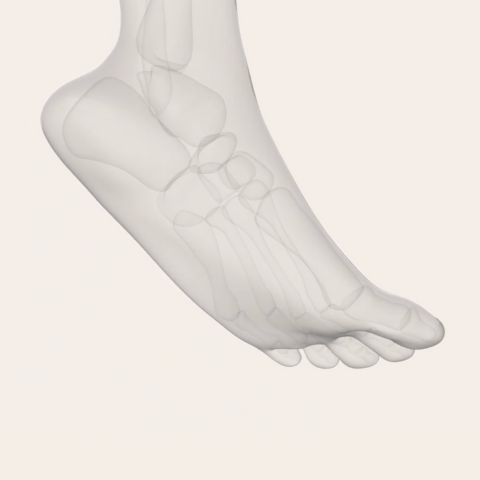
When the front arch of the foot collapses and flattens, the foot widens across the big toe and little toe. The big toe joint is then usually pushed outward from the foot, creating a “bump.” The skin around the area often becomes red and irritated. This can make it difficult to find shoes that do not squeeze the foot. Redness and swelling are caused by the bursa beneath the skin becoming inflamed from pressure.
Common Causes of Hallux Valgus
The causes of hallux valgus can vary, but these five are the most common:
- Heredity
- Fallen arches, both the longitudinal arch and the front transverse arch
- Weaker muscles on the outside of the big toe compared with the inside
- A long metatarsal bone with a rounded joint surface at the big toe joint
- Pronation, meaning the foot rolls inward when stepping down
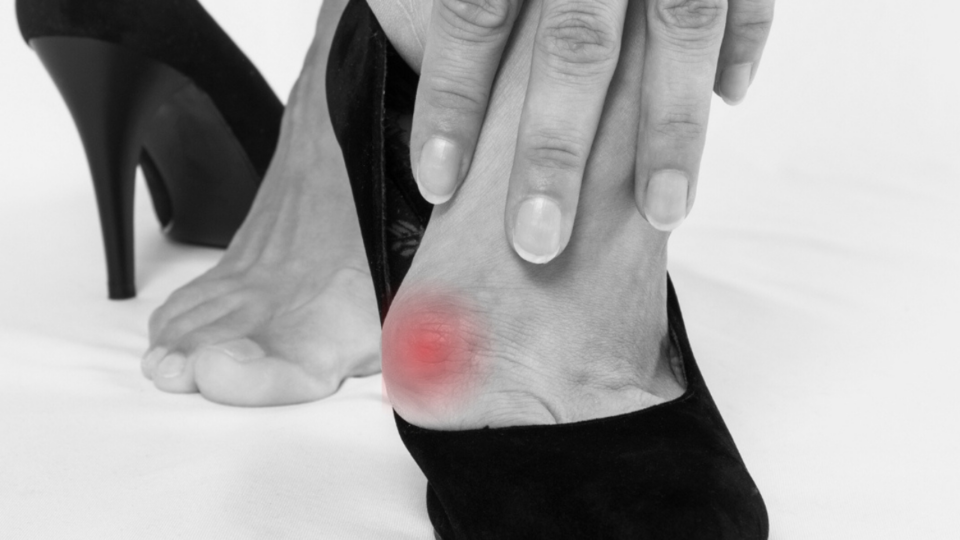
Tight shoes with pointed toe boxes have long been considered a cause of hallux valgus, but there is no conclusive evidence for this. However, experts agree that symptoms can worsen with shoes that are too narrow.