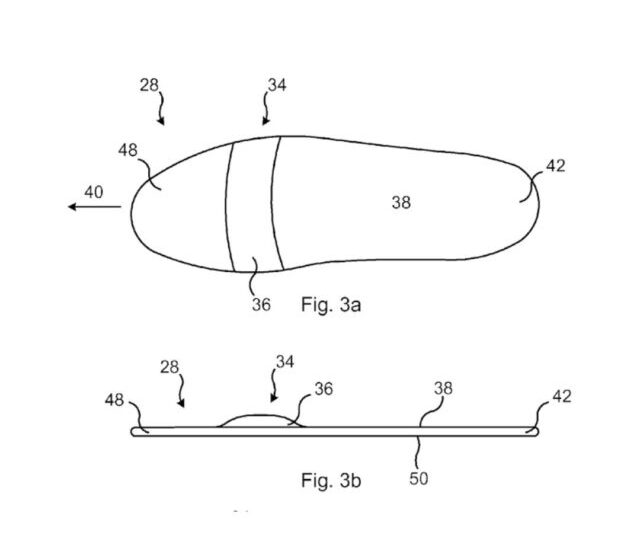
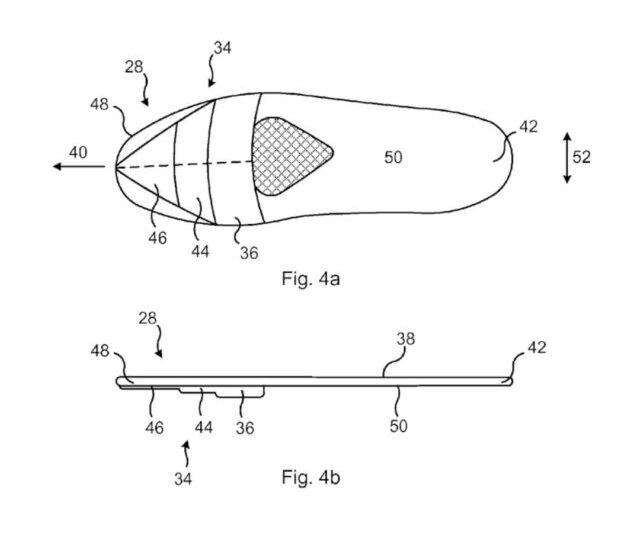
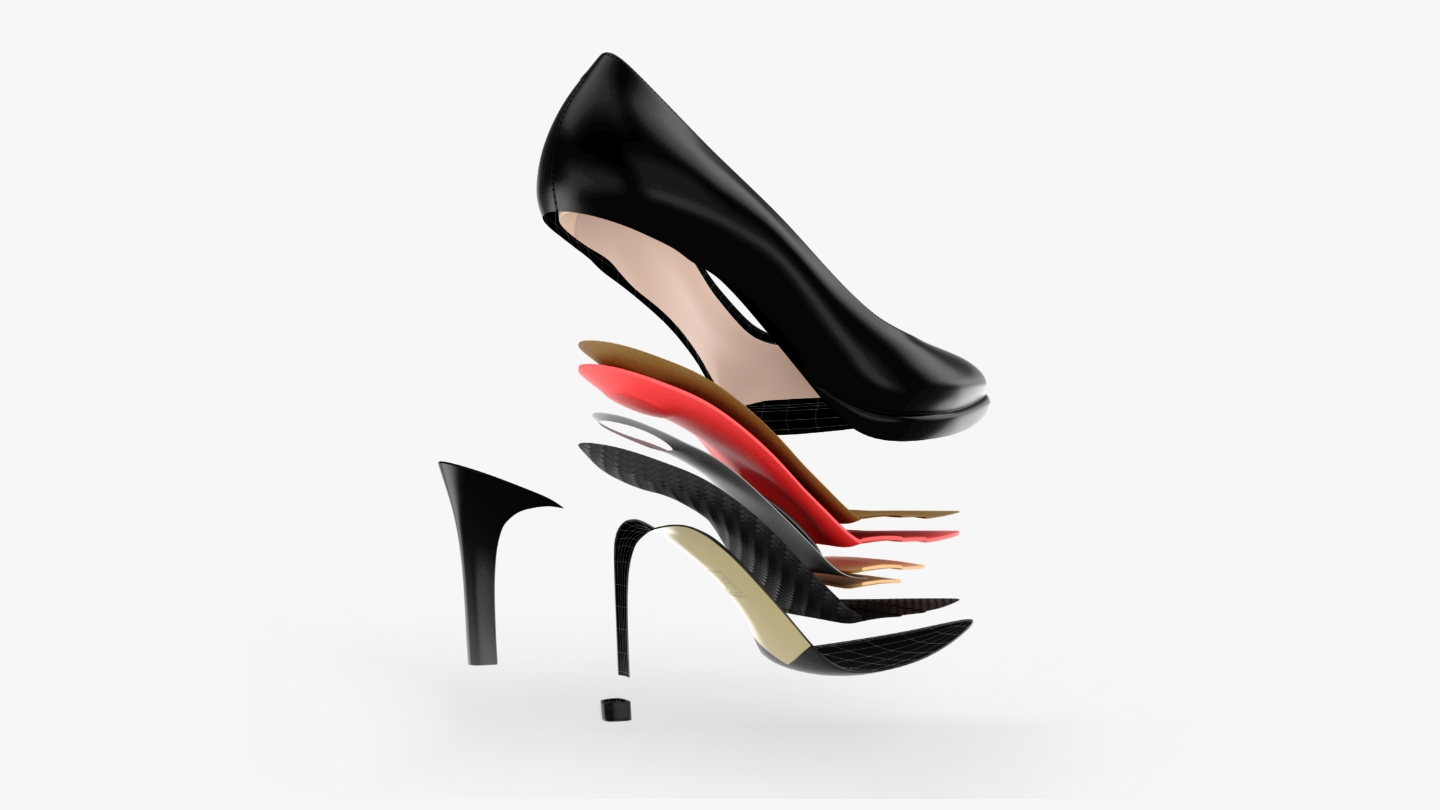
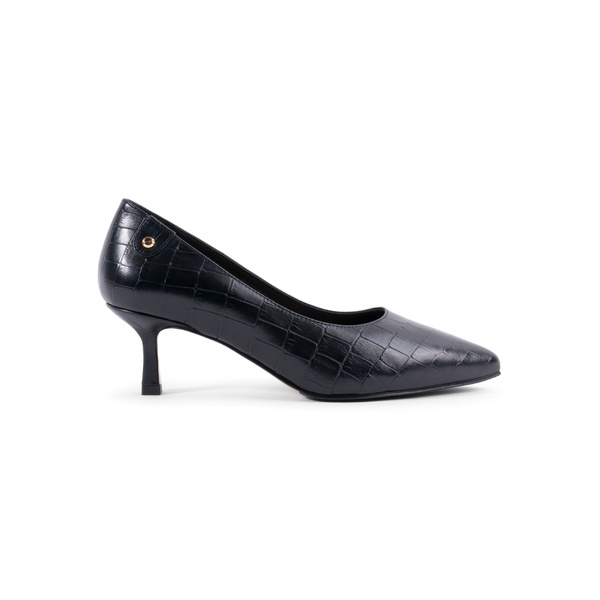
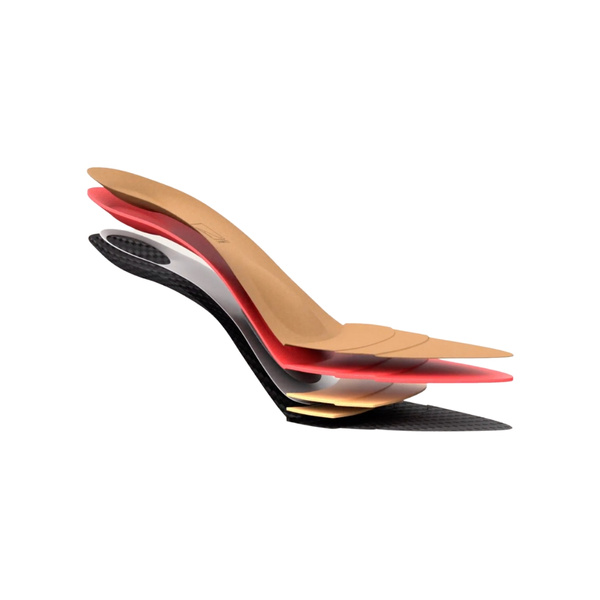
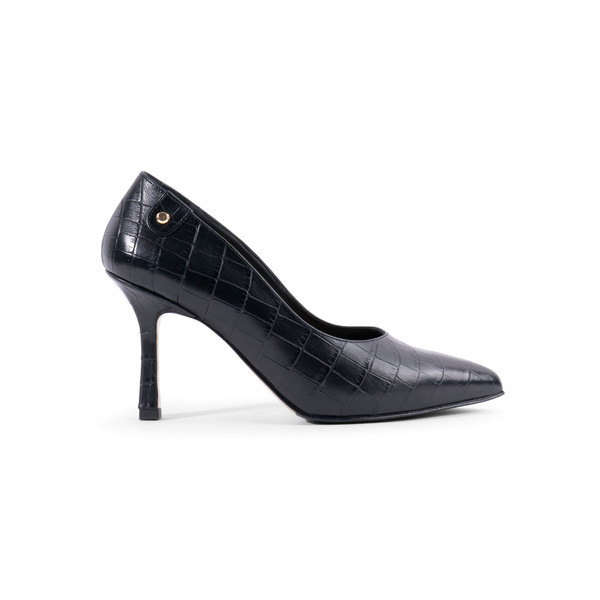
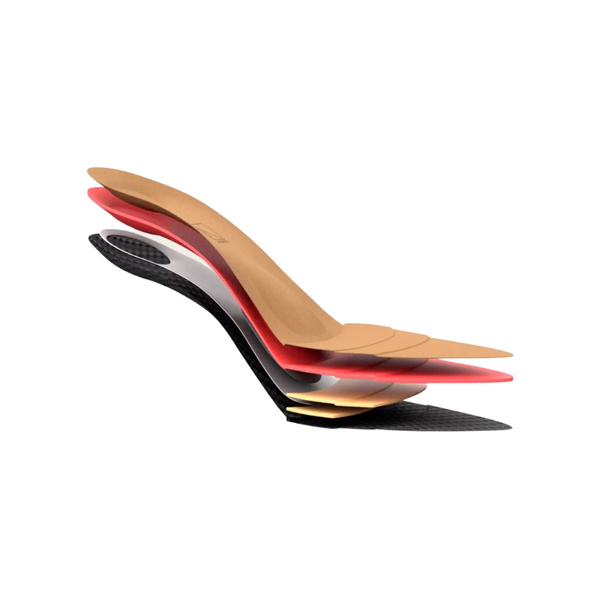
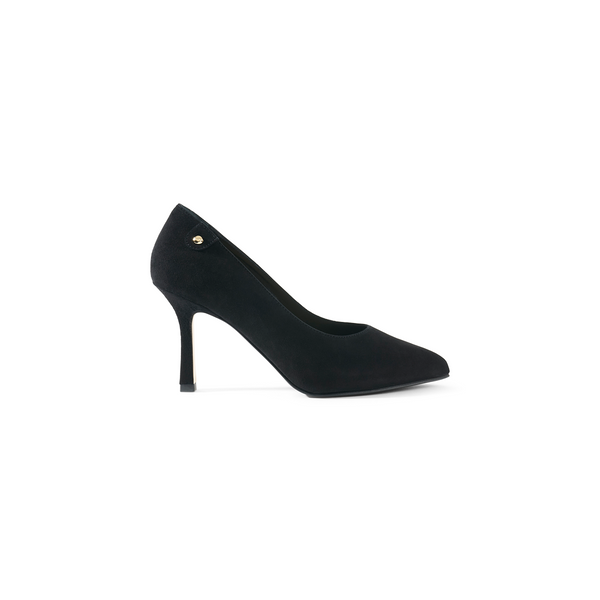
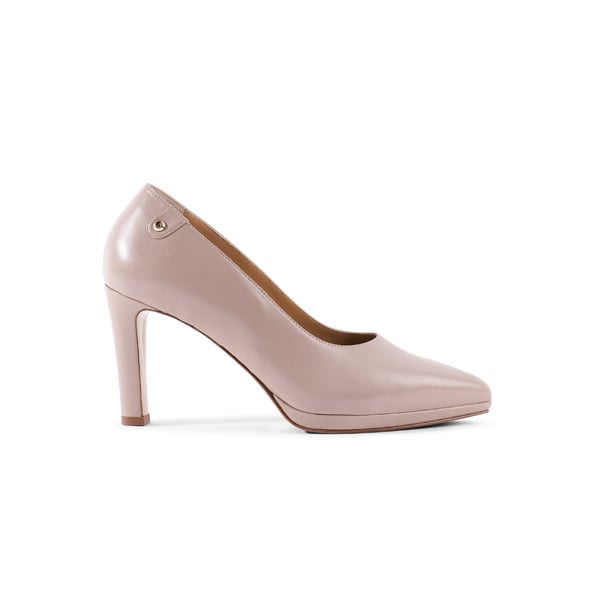
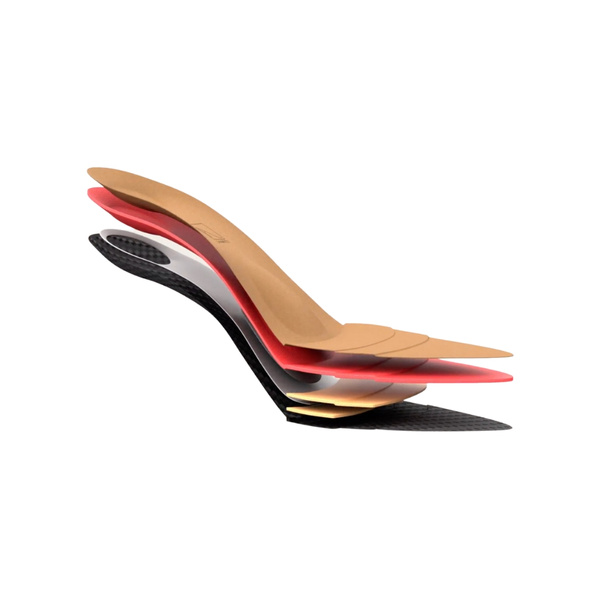
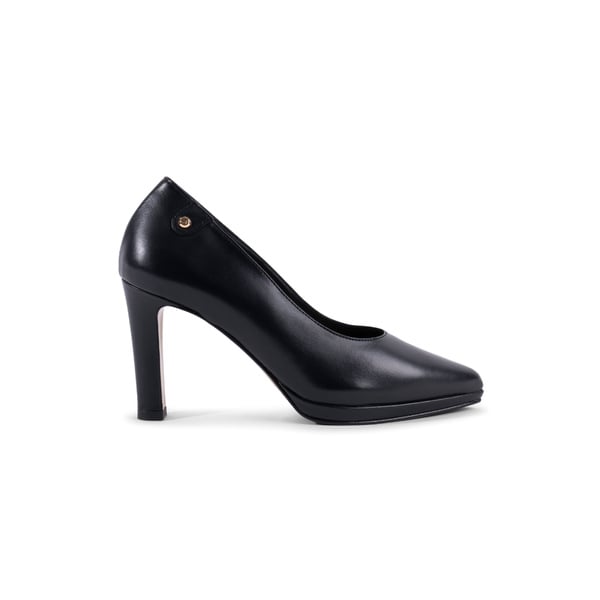
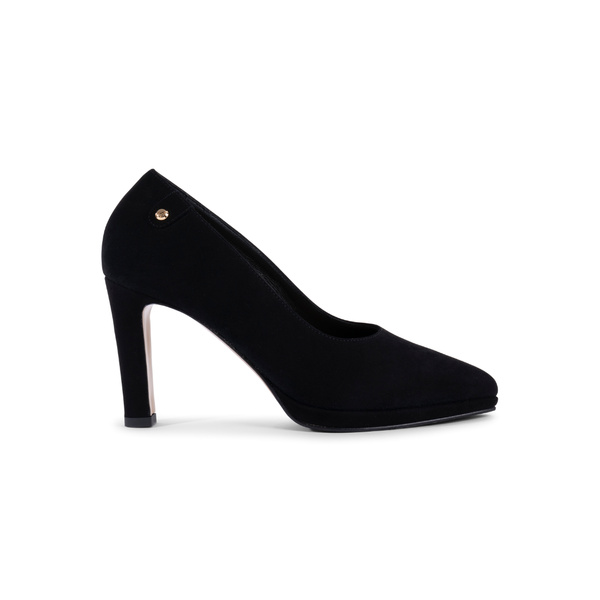
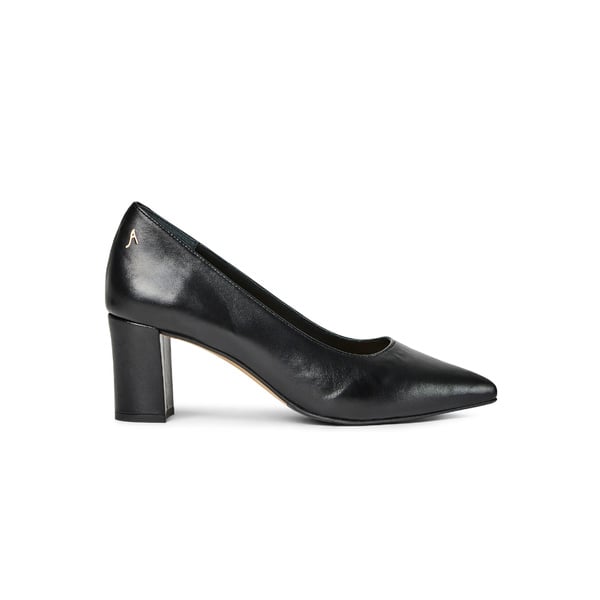
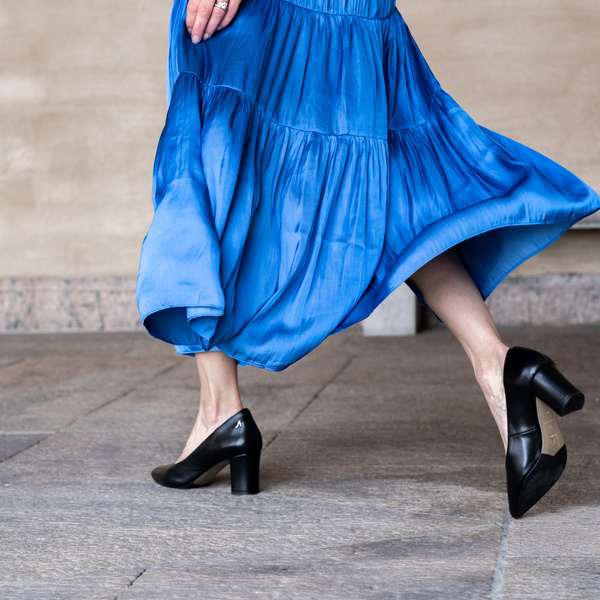
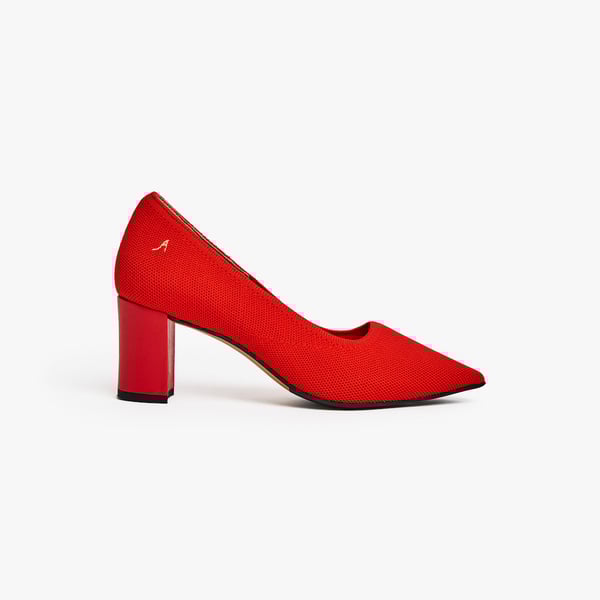
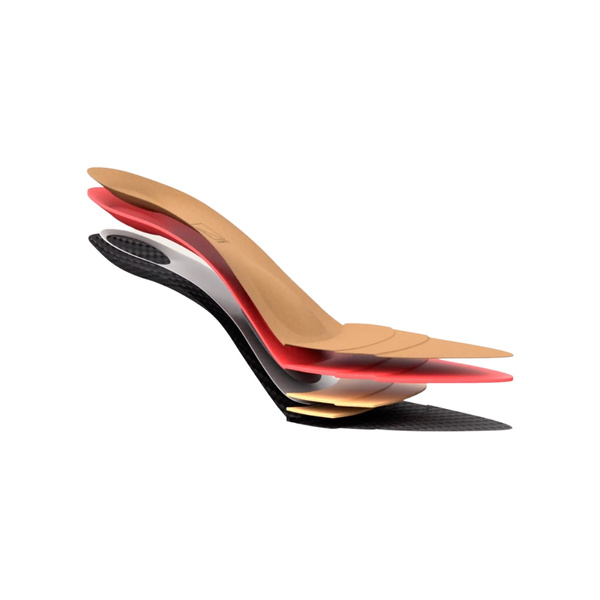
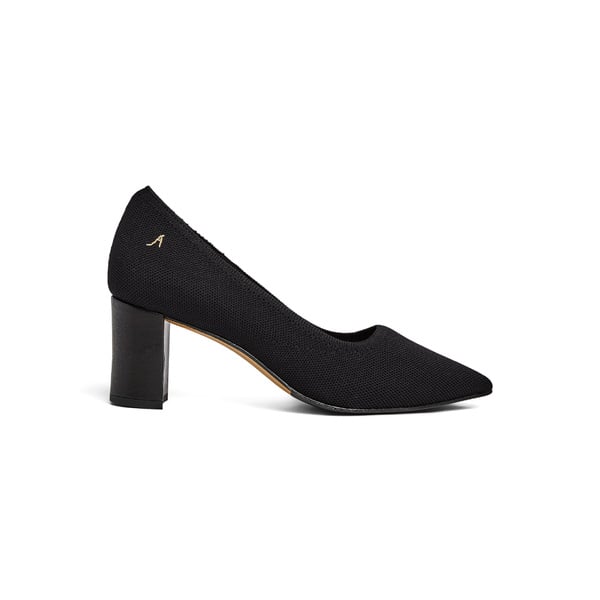
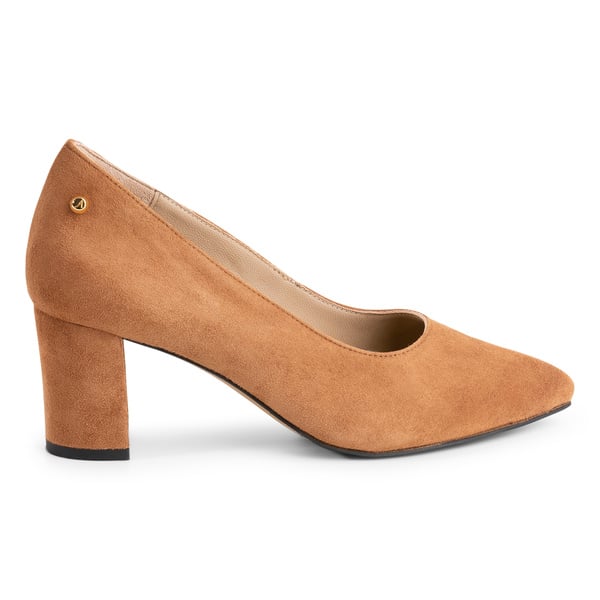
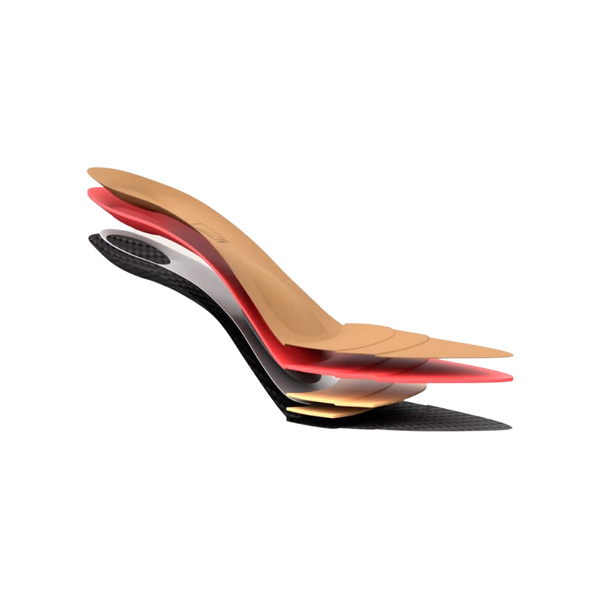
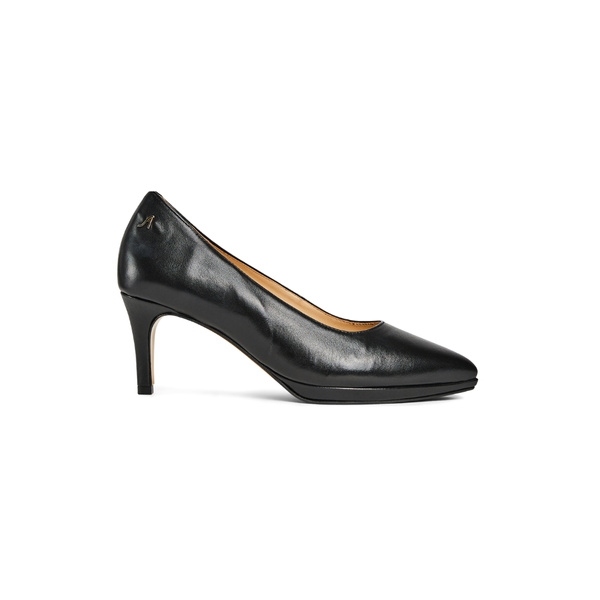
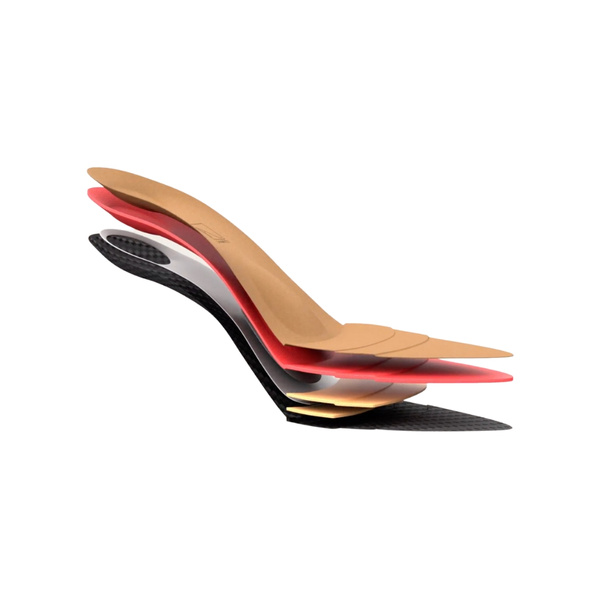
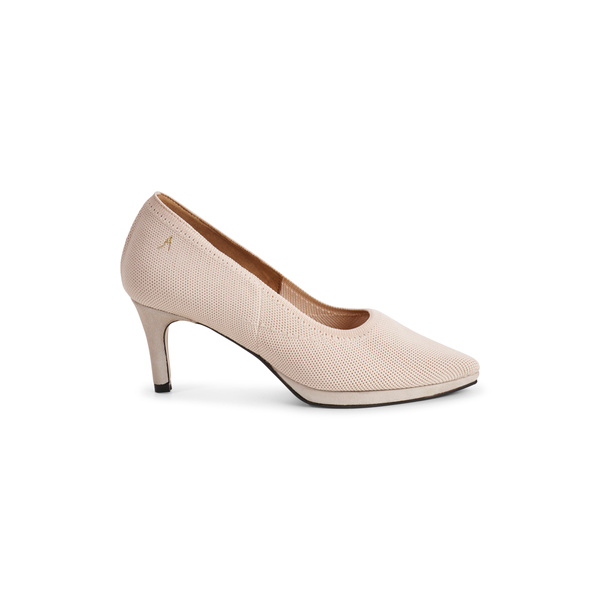
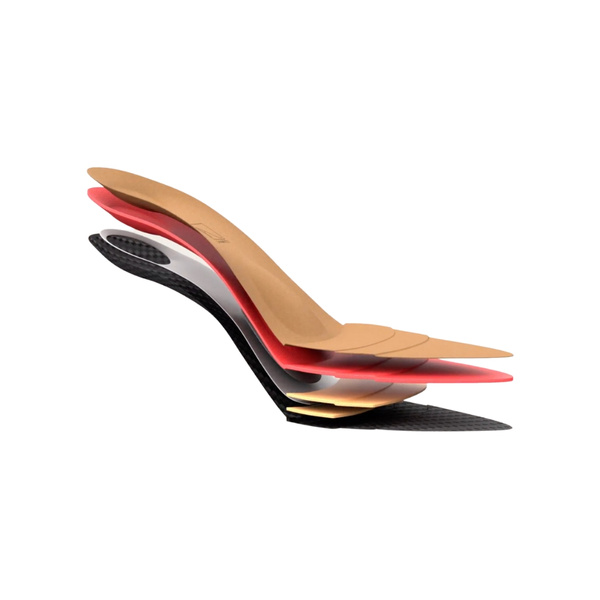
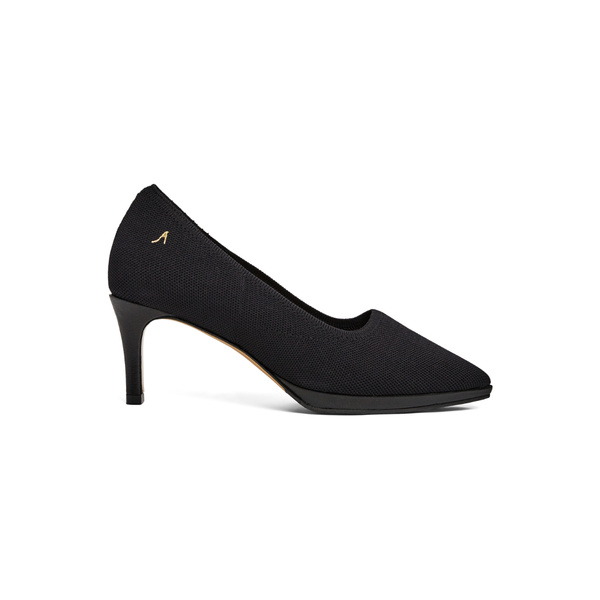
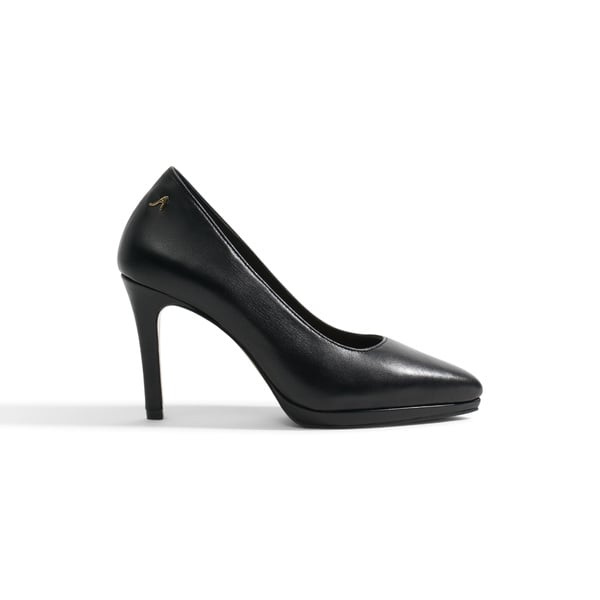
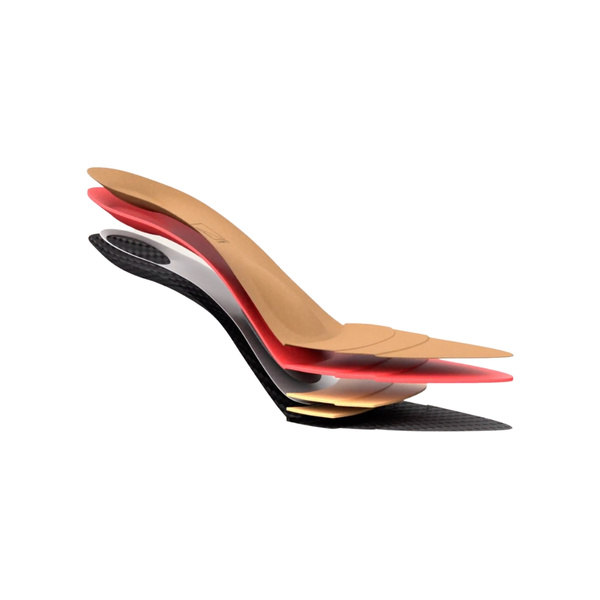
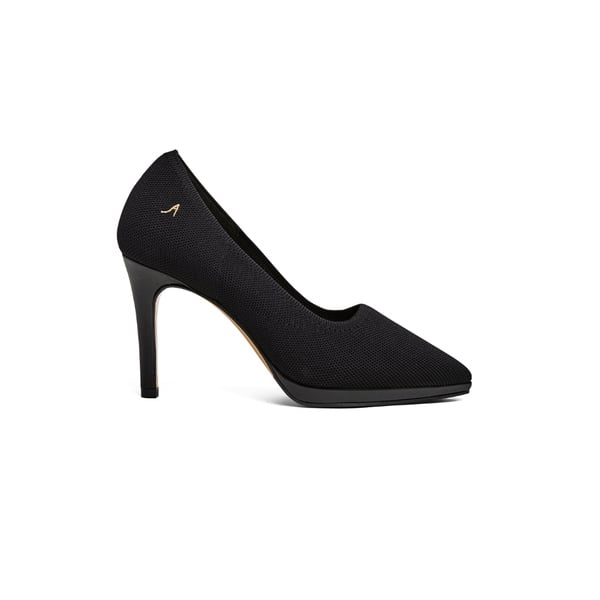
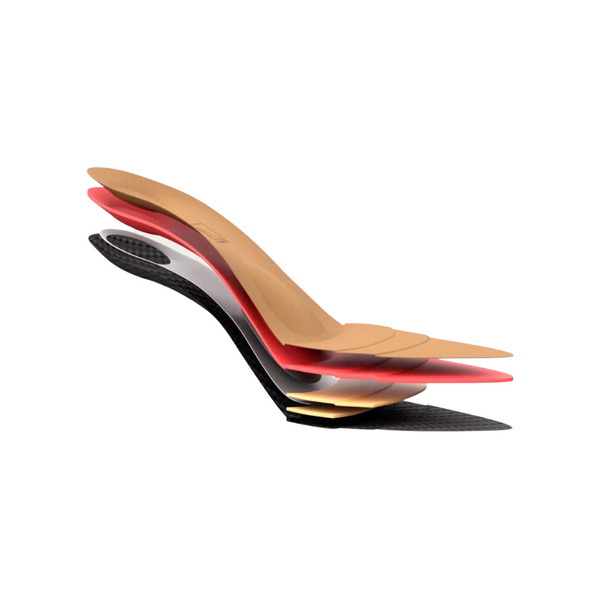
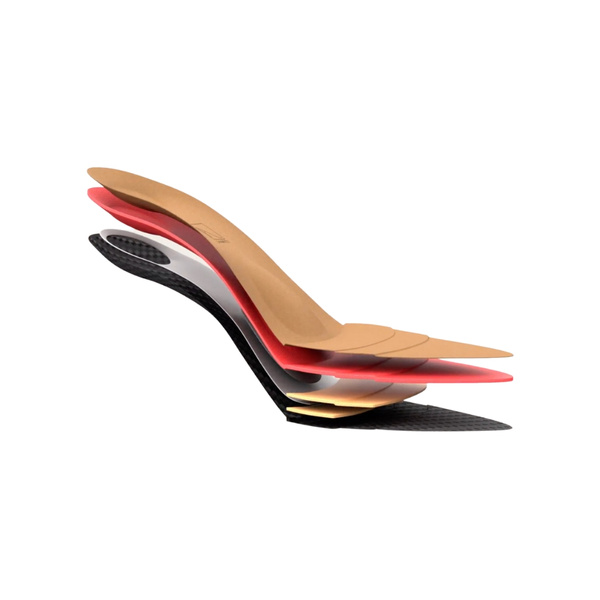
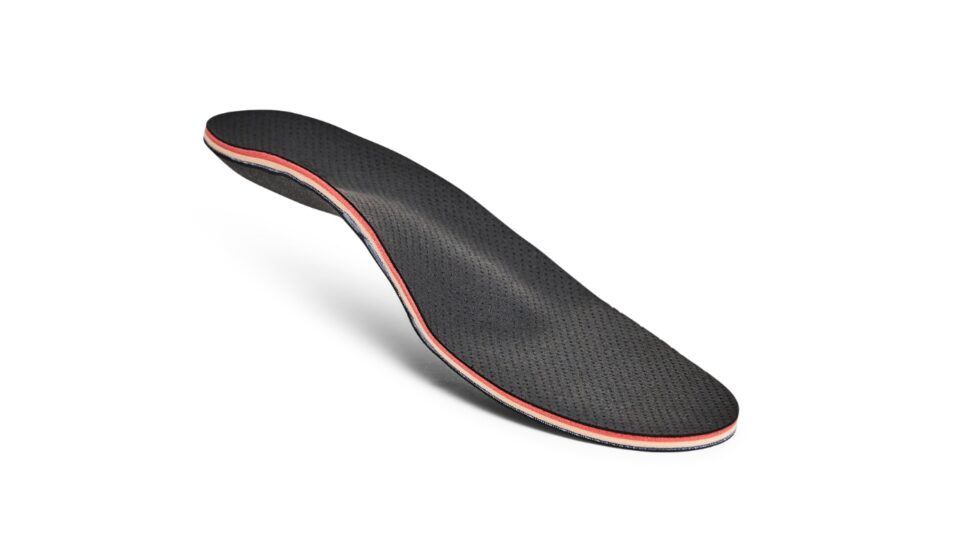
The 3-Step System is our patented Insole Technology for movement in heels. For almost four decades, we have studied various movement patterns associated with walking in high heels. What we learned laid the groundwork for our first patent: insole technology designed for shoes with heels.
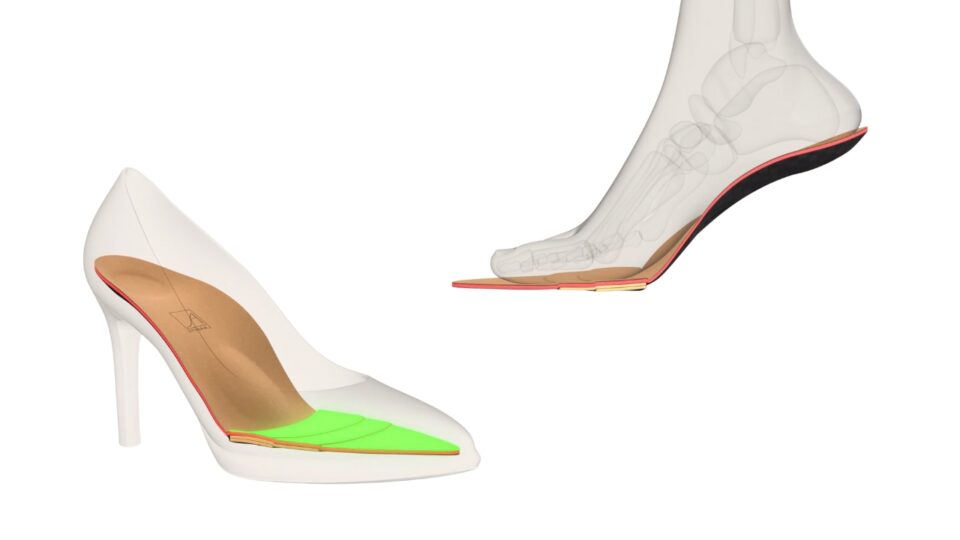
Walking in heels is not optimal.
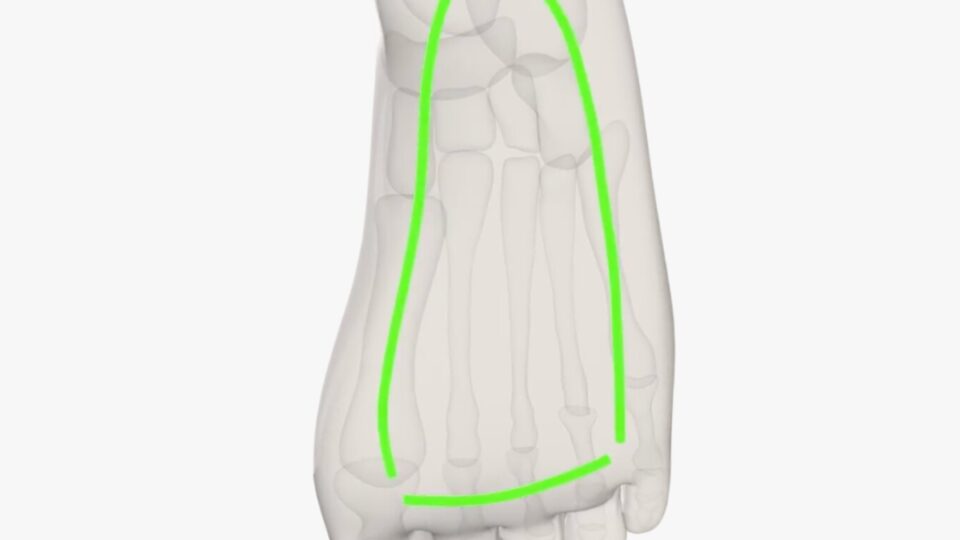
Heels change how the body moves. An elevated position shifts the whole body. A 2.5 cm heel increases pressure on the forefoot by ~22%. At 7.5 cm, it can rise to 76%.
In heeled shoes with a drop, the foot is pushed into an unnatural position, placing strain on the entire musculoskeletal system.
Fatigue often appears first in the legs, but over time, overload can affect posture, joints, and balance. While strength and training may delay discomfort, prolonged wear still increases the risk of strain and injury.
The best way to reduce the load—and, with it, the risk of injury—is to choose shoe models that offer optimal shock absorption, relief, and stability. An orthopedic insole is highly recommended, as it helps alleviate pressure by reducing the load on all three arches. The challenge with pumps and high-heeled shoes was that no insoles worked effectively for them—until Stinaa.J.
What happens in the body?
When you walk in heels, your feet are subjected to increased strain, and the entire musculoskeletal system can become overloaded. Different bodies react in various ways, but most people experience fatigue in their legs after a few hours. Those with good genetics or well-trained may have a higher tolerance and feel better over time, regardless of shoe choice. However, even with strong muscles or good genes, wearing high heels eventually increases the risk of injury or unnecessary overuse strain.