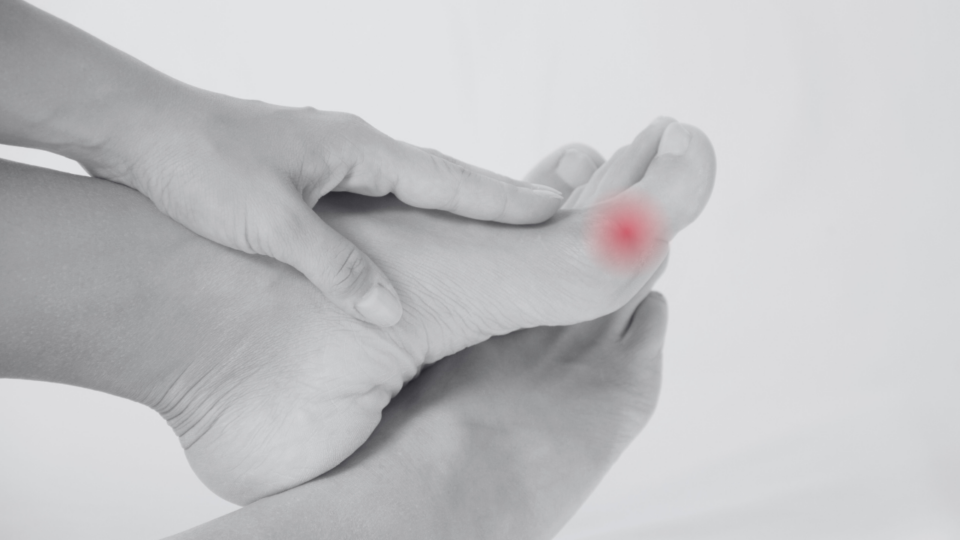
Chronic foot and ankle problems are becoming increasingly common. We move too little, and when we do move, we overload our bodies due to incorrect movement patterns and poor choice of shoes. Let’s talk about biomechanics and understand where the problems lie and what solutions exist.
A rope that is repeatedly subjected to pulling forces will wear out over time. A car tire wears unevenly on one side if you don’t balance the tires correctly. In the same way, there is a risk that tendons repeatedly loaded will develop an injury. Joints that are overloaded risk breaking down parts of the cartilage. Like a paperclip being bent back and forth repeatedly, they will eventually break. Ligaments that are stretched repeatedly can loosen, leading to joint instability.
We must understand what forces our feet are subjected to and how they vary depending on foot type, weight, and activity. These are the forces that load the feet, lower legs, knees, hips, and back — and directly affect quality of life.
Forces, Muscles, and Imbalance
The laws of physics explain that forces make a mass accelerate, either through compression, tension, or torsion. The same laws apply to human feet:
- pressure on bones and joint surfaces in the foot and ankle creates tension,
- that tension affects ligaments and tendons,
- both the bones of the foot and the soft tissue are exposed to twisting forces.
In orthopedics there is another type of force — shear. Shear means that parallel internal surfaces slide against each other and create deformation. This is less common in the foot but can happen, for example, in cartilage.
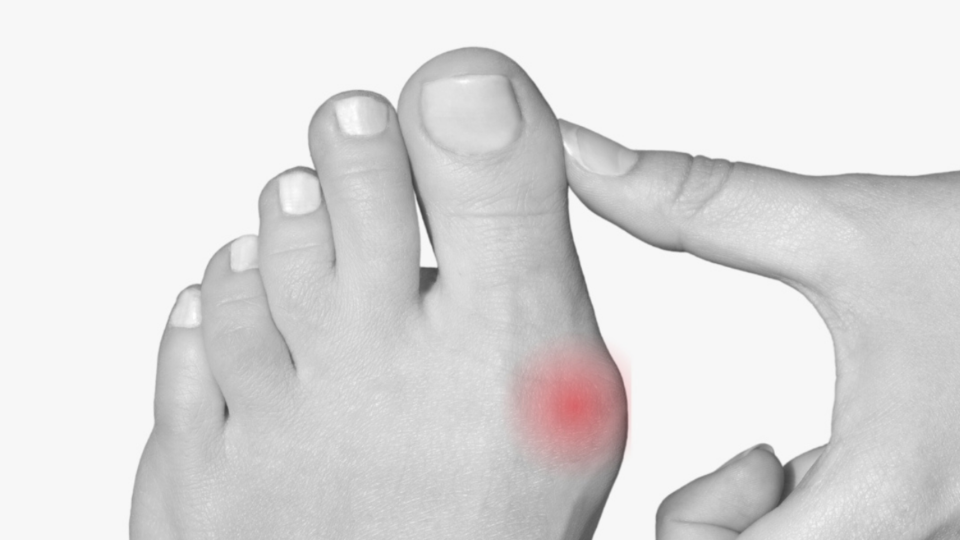
Every muscle in the human body tends to have an antagonist that pulls in the opposite direction. Creating a perfect balance between muscles is a challenge. An imbalance easily arises; it can be as simple as being weaker in the front muscles of the foot — and that lays the groundwork for future injuries. Bunions are a clear example of muscle imbalance — people with this problem have stronger outer muscles and weaker inner muscles. An imbalance in the foot’s muscle groups increases the forces the foot is subjected to during activity — our feet wear out faster.
We must understand what forces our feet are subjected to and how they vary depending on foot type, weight, and activity.